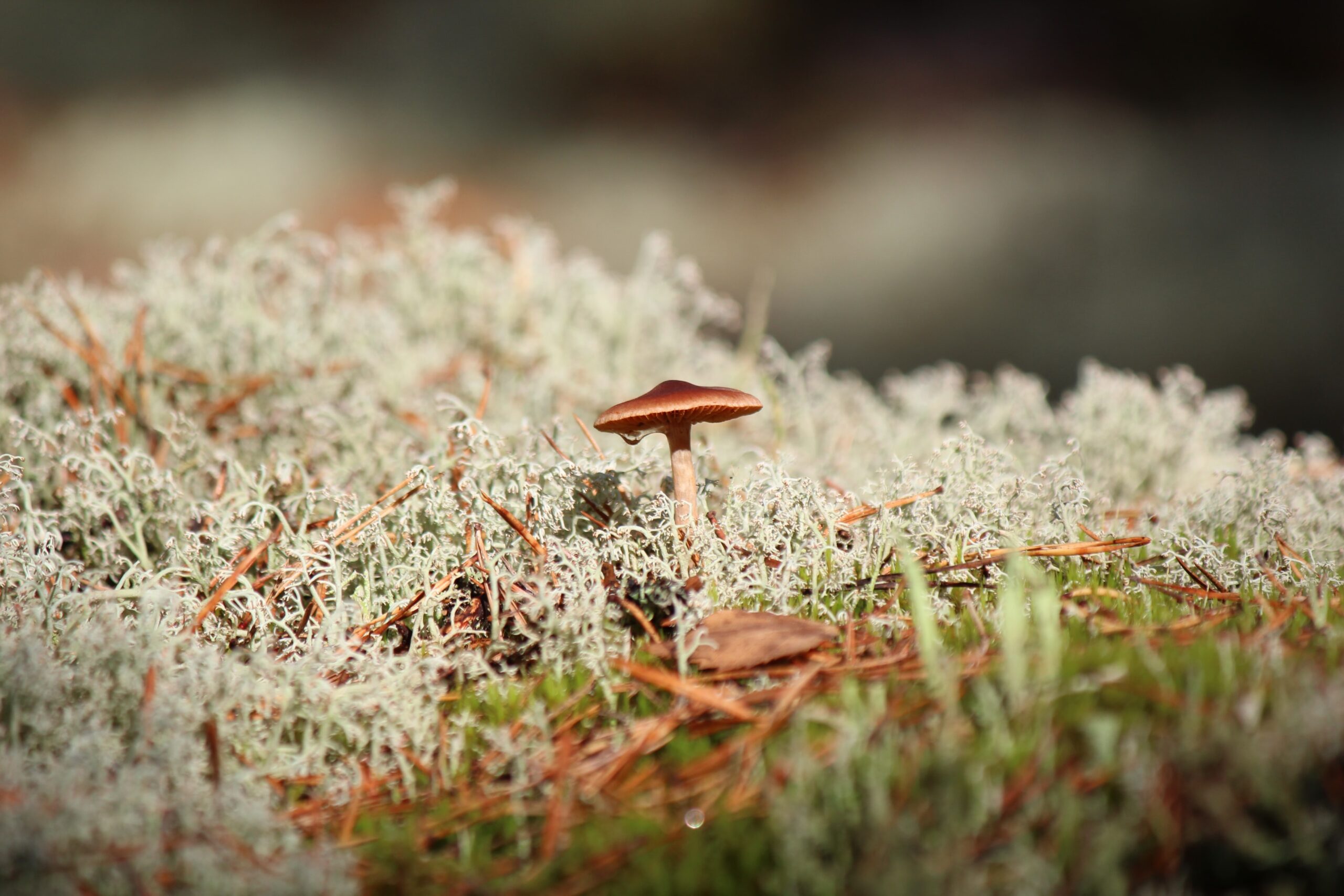
Forest disturbances can affect mycorrhizal communities, even when these disturbances do not directly impact the soil.1-5 I am studying this relationship between disturbance and mycorrhizae by planting sterile tree seedlings and seedlings inoculated with mycorrhizal fungi in sites with different disturbance histories.
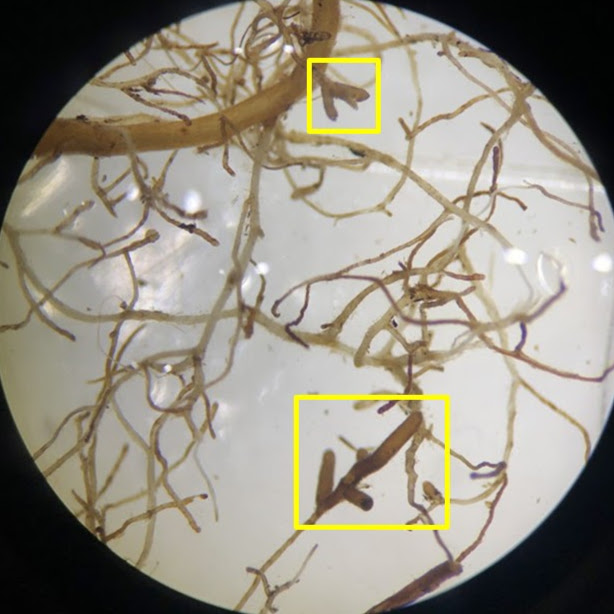
After the seedlings’ first summer in the field, I evaluated ectomycorrhizal (ECM) colonizations (Fig. 1), plant growth, and collected DNA samples to identify mycorrhizal communities growing directly with the study seedlings. The goal of my research is to understand if inoculating tree seedlings with mycorrhizal fungi improves seedling success in reforestation projects and restores mycorrhizal communities at ecologically degraded sites.
My Hypotheses for this Research Project
H1: Forest disturbances that have severely altered the soil will cause the greatest reduction of ECM colonizations on tree seedling roots.
H2: Tree seedlings inoculated with ECM fungi prior to transplanting at field sites will have more fungal colonizations and greater aboveground growth than uninoculated seedlings after growing for one summer in the field.
Results from my research will contribute to a collaborative, statewide reforestation project known as Minnesota Million. This grassroots effort aims to reforest one million acres of MN with climate-smart trees by 2045. To learn more about MN Million and/or to get involved, please visit: www.climatesmarttrees.com
Three Species of Trees
I chose three species of trees native to MN that are projected to do well as climate change progresses: Eastern White Pine (Fig. 2), Yellow Birch (Fig. 3), and Northern Red Oak (Fig. 4).6
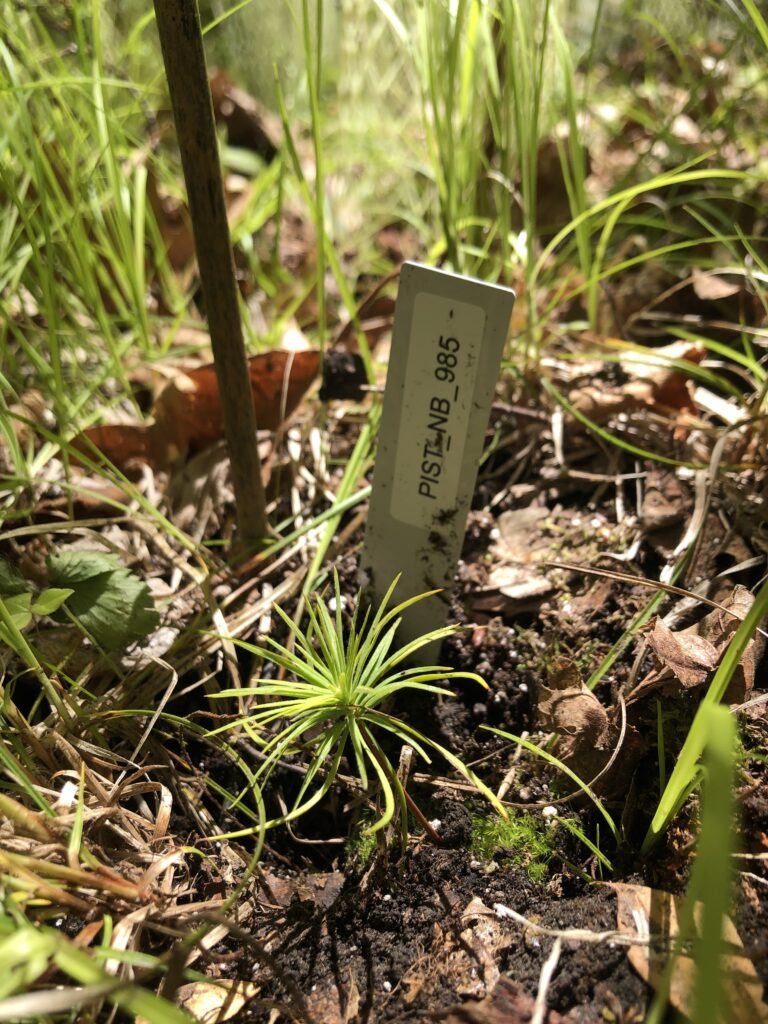
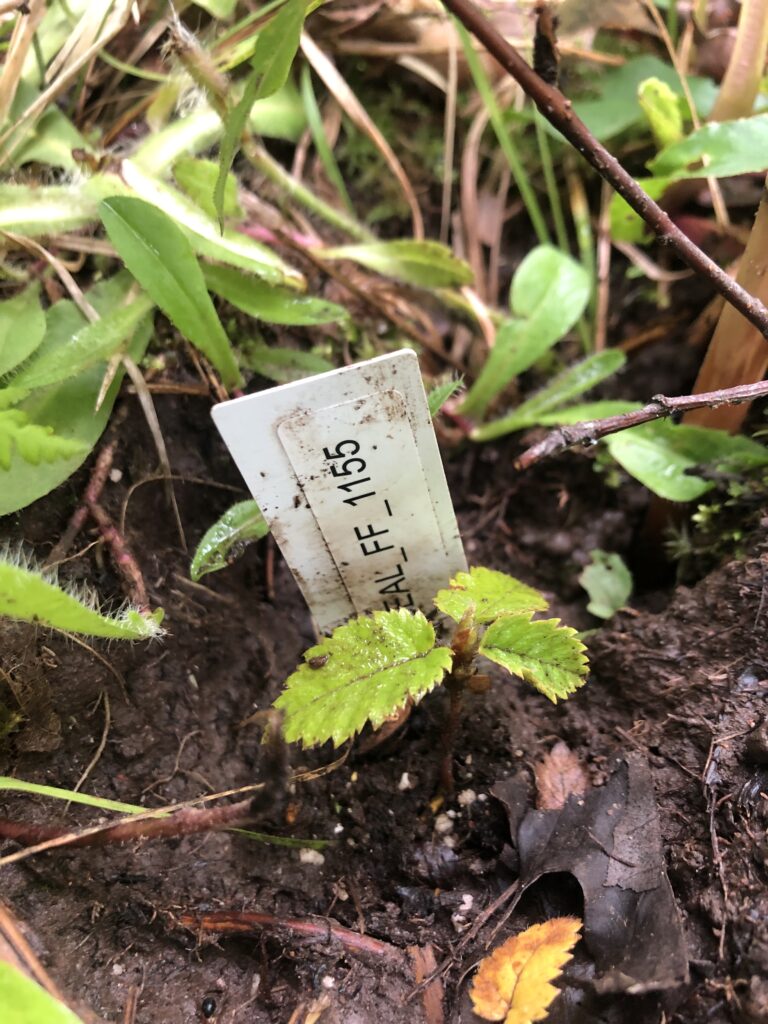
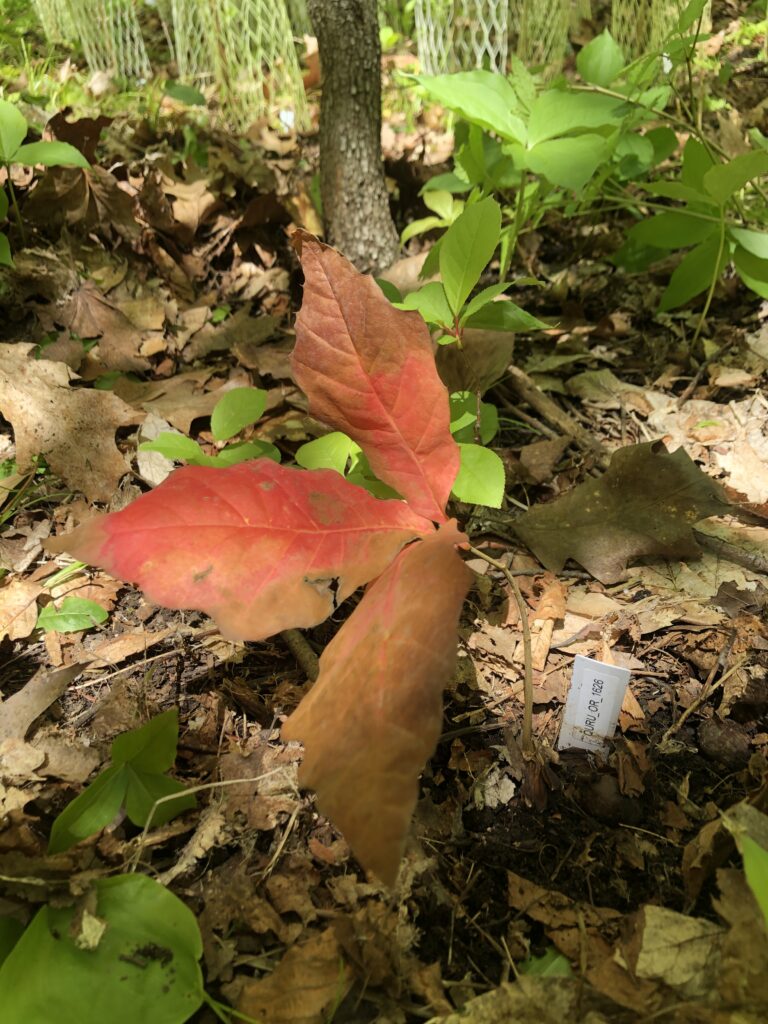
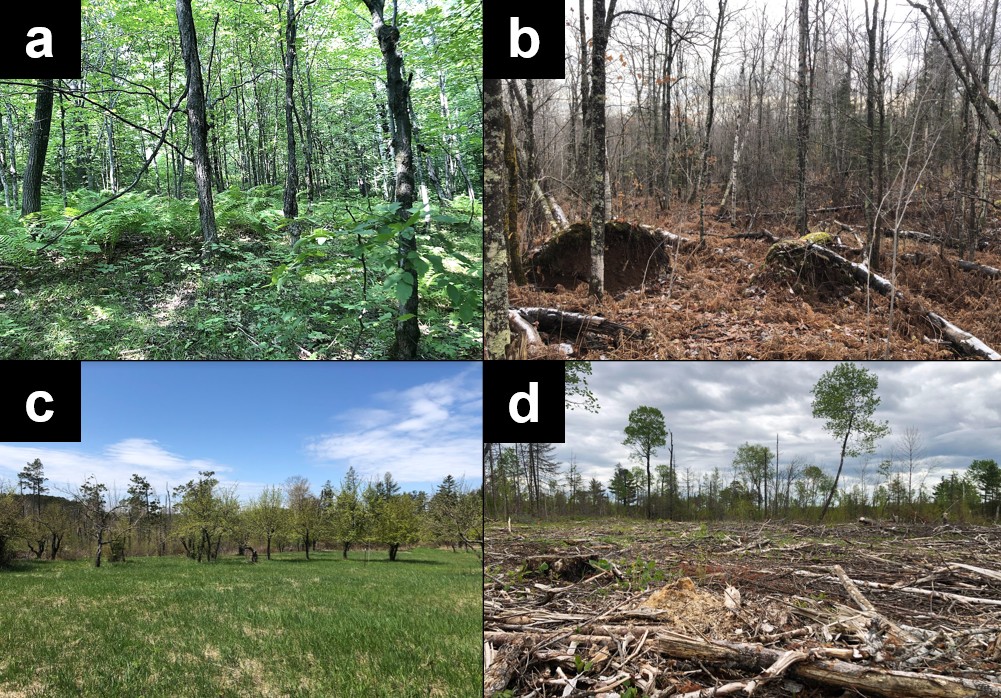
In May 2024, seedlings grown with and without ECM inoculum were planted at each of four field sites in northern MN with different disturbance histories (Fig. 5). I monitored seedling growth throughout the summer, in addition to collecting data on environmental parameters at each site.
Then, I evaluated ECM colonizations the following fall, sampling mycorrhizal DNA at the same time. I am using funding from MMS to pay for the sequencing of mycorrhizal DNA in order to sufficiently identify the fungal communities present at each field site and present in the inoculant given to the study seedlings. Data collection and analyses have continued through 2025 to determine if mycorrhizal relationships change after a second growing season.
What Have We Found Out?
Preliminary results from 2024 data suggest that both my hypotheses are partially supported, but that is dependent on the tree species and the type of forest disturbance. Identifying fungal species through DNA sequencing will be key to determining how specific ECM relationships are impacted by disturbances and inoculation treatments in this study. For a more detailed breakdown of 2024 preliminary results, check out the recorded MMS meeting from 6/9/25!
Who Funded This Reforestation Projects Research?
Funding for this project was provided by the Minnesota Environment and Natural Resources Trust Fund, as recommended by the Legislative-Citizen Commission on Minnesota Resources (LCCMR), the USDA, the University of Minnesota Genomics Center, UMD Biology, the UMD Integrated Biosciences Program, and the Minnesota Mycological Society.
References
- Caruso, K. E. et al. (2021). Assessing the Effect of Eastern Hemlock (Tsuga canadensis) Decline from Hemlock Woolly Adelgid (Adelges tsugae) Infestation on Ectomycorrhizal Colonization and Growth of Red Oak (Quercus rubra) Seedlings. The American Midland Naturalist, 186(1), 16–34.
- Cowden, C. C. & Peterson, C. J. (2013). Annual and seasonal dynamics of ectomycorrhizal fungi colonizing white pine (Pinus strobus) seedlings following catastrophic windthrow in northern Georgia, USA. Canadian Journal of Forest Research, 43(3), 215–223.
- Egli, S. et al. (2002). Dynamics of ectomycorrhizal fungi after windthrow. Forest Snow and Landscape Research, 77, 81–88.
- Rodriguez-Ramos, J. C. et al. (2021) Changes in soil fungal community composition depend on functional group and forest disturbance type. New Phytologist, 229(2), 1105–1117.
- Choma, M. et al. (2023). Surviving trees are key elements in the fate of the ectomycorrhizal community after severe bark-beetle forest disturbance. FEMS Microbiology Ecology, 99(8), 1–10.
Handler, S. et al. (2017). Climate Change Field Guide for Northern Minnesota Forests: Site-level considerations and adaptation. USDA Northern Forests Climate Hub. https://doi.org/10.32747/2017.6949547.ch
About Shannon Meehan
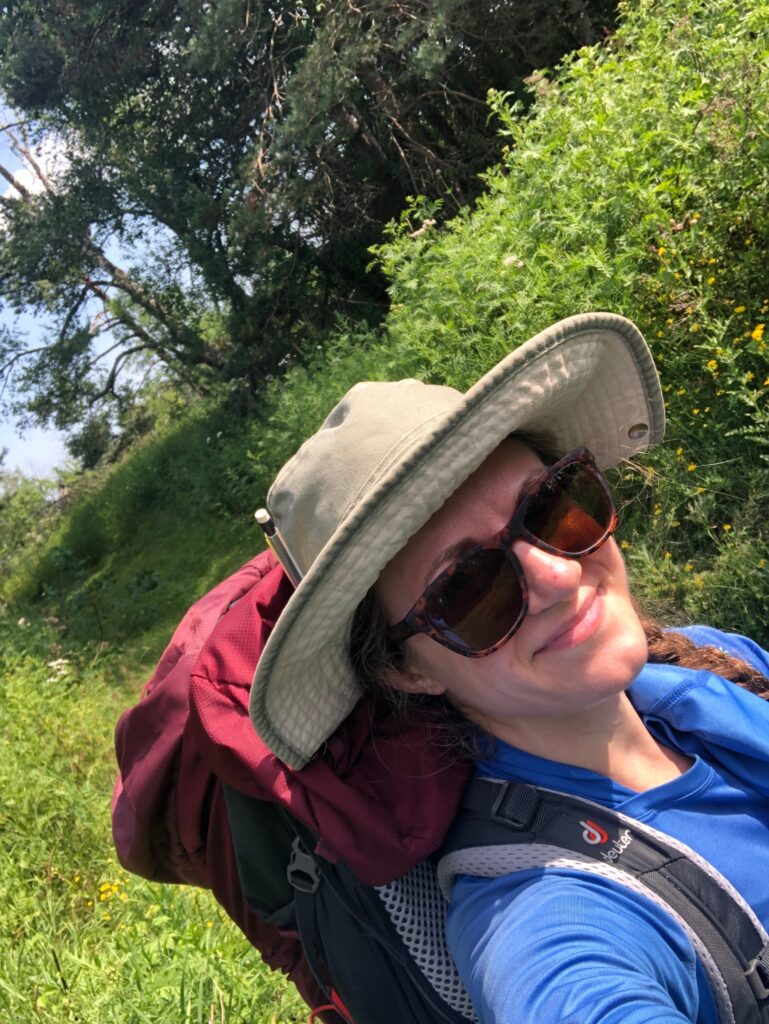
Shannon is a 2nd year Masters student in the Integrated Biosciences Program at UMN Duluth. Prior to graduate school, she dedicated 5 years of her career to ecological restoration. During that time, she noticed an alarming tendency to overlook soil communities in standard ecological restoration practices. This failure to consider the critical role of soil-dwelling organisms, like fungi, in restoration projects led her to her current work at UMD with Dr. Julie Etterson.
Upon graduating, Shannon aims to return to a career in ecological restoration and advocacy for fungal-focused restoration practices. Understanding that the relationships between fungi, flora, and fauna are interdependent and essential to the health and resilience of all ecosystems, she sees the relationship between amateur and professional mycology as interdependent, too! Promoting relationships between amateur and professional mycologists is a practice she wishes to carry with her as she pursues her own career as an ecologist.