The Minnesota Mycological Society has a rich history as the second oldest mycological association in the United States. The MMS, founded in 1899, has contributed greatly to science’s understanding of the kingdom of fungi. Learn about the important history of the MMS and its significance in mycology.
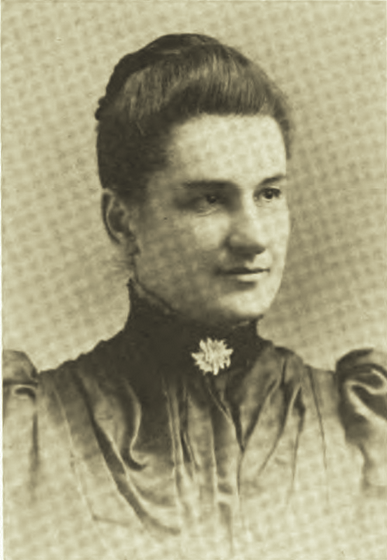
Meet Dr. Mary Whetstone
Dr. Mary Whetstone was a remarkable individual known for her contributions to medicine and botany and leadership in civic welfare, feminism, and church and temperance work. Born on August 24, 1849, in Pennsylvania, she was educated in public schools. She then attended Female College in Granville, Ohio, before receiving her medical degree from the University of Michigan Medical School in 1881. Her extensive medical training included attending clinics worldwide in cities such as London, Paris, Vienna, Detroit, Boston, and New York.
Arrival in Minneapolis
In June 1882, Dr. Whetstone (nee Snoddy) married Dr. Allen S. Whetstone in Marshalltown, Iowa. The couple then moved to Minneapolis, where Mary Whetstone became the second female doctor to practice. This was just the beginning of her groundbreaking work. We will learn about her significance as a mycologist and as the founder of the Minnesota Mycological Society, but it’s also essential to understand her contributions to medicine in Minnesota.
Early Medical Contributions
Founding of Northwestern Hospital for Women and Children
In November 1882, Dr. Whetstone, alongside Harriet Granger Walker and Dr. Mary Hood, helped establish the Northwestern Hospital for Women and Children in Minneapolis. This hospital began in a rented house and, within a year, had expanded into a larger facility. By 1887, the hospital had a permanent home where Drs. Hood and Whetstone served as the sole physicians. Today, this hospital is known as Abbott Northwestern Hospital.
Influence on Pediatric Care
Dr. Whetstone also served on the pediatric medical staff at Asbury Methodist Hospital, which opened in 1892 in Minneapolis. Known today as Park Nicollet Methodist Hospital, the facility started with just 32 beds. Dr. Whetstone, alongside Dr. Hood, emphasized the importance of diet, cleanliness, and rest in patient care. This was a new way of nursing, using an approach that prioritized the sustenance of vital forces to aid in recovery.
Leadership in the Minnesota Medical Association
Dr. Whetstone held the prestigious position of second vice president of the State Medical Society, now known as the Minnesota Medical Association. This was an exceptionally powerful role for a woman then, further highlighting her leadership in the medical community.
Contributions to Mycology and Founding the Minnesota Mycological Society
Dr. Whetstone wanted to find alternative nutrition sources for the women and children she served. This led her to mycology, the study of fungi. In 1898, she founded the Minnesota Mycological Society, the second-oldest mycological society in North America. Dr. Whetstone corresponded with renowned mycologists, and her collections are still housed in significant institutions like the New York State Museum and the National Fungus Collection.
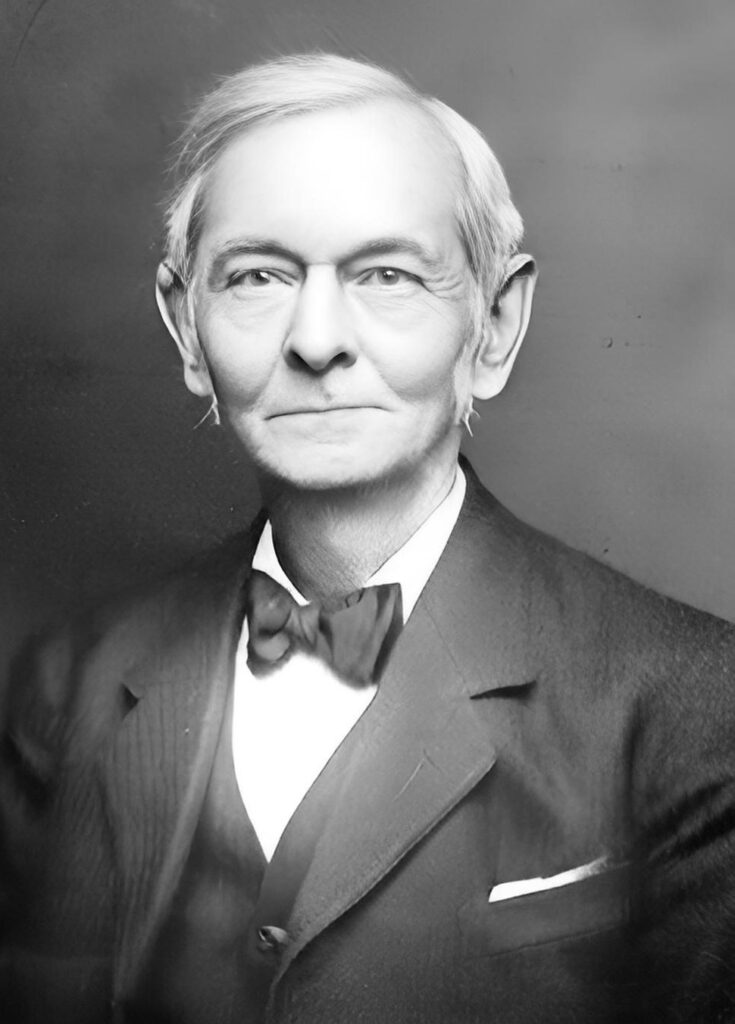
Correspondence with Dr. Charles Peck
Dr. Whetstone maintained a detailed correspondence with Dr. Charles Peck, a leading mycologist of the time. Through these letters, she sought assistance in identifying mushroom specimens collected by MMS members. Dr. Peck’s guidance was invaluable to Dr. Whetstone, and their exchanges provide insight into the early activities of the Minnesota Mycological Society, including exhibits at the state fair.
The Legacy of Dr. Mary Whetstone in Mycology
Dr. Whetstone became well-known for her expertise in fungi, and her efforts in educating the public and other professionals about mushrooms were widely recognized. Her work even inspired Dr. Peck to name a new species, Amanita whetstonia, in her honor. She humbly suggested a more descriptive name might better serve science, but he persisted.
Final Reflections on Dr. Whetstone’s Legacy
The letters between Dr. Whetstone and Dr. Peck offer a window into the challenges and achievements of early mycologists. Dr. Whetstone’s dedication to her work and perseverance in the face of obstacles make her a pioneering figure in both medicine and mycology. Her legacy continues to influence the Minnesota Mycological Society and the broader scientific community to this day.
Mary Whetstone and the History of the MMS
This presentation by Heather Erickson discusses the MMS’s founder, Dr. Mary Whetstone, the second female physician in Minnesota. She was passionate about the medical care of women and children, which led to her love of mushrooms and her impact on Mycology.
The Historical Significance of the Minnesota Mycological Society
Foraging: A Vital Practice in Early America
Before we relied on agriculture for sustenance, hunting and gathering were how people got food, medicine, and other essentials. Before Independence, American colonists had broad rights to hunt, fish, and forage on public and private land since these practices ensured the food supply for early colonists. However, these rights eventually came under attack due to racism, classism, imperialism, and tension during the birth of the nation.
Impact of Colonial Expansion and Anti-Foraging Laws
As settlers pushed indigenous tribes off their land, armed themselves to defend their newly stolen property, and enacted anti-foraging laws, those without land struggled to obtain food, medicine, and materials as they had in the past. This systematic restriction of foraging rights also targeted rural white farmers who would hunt and gather plants for sustenance.
Cultural Revival of Foraging and the Rise of Mushroom Clubs
Despite the loss of traditional knowledge, recent interest in foraging has surged. New mushroom clubs are emerging, and existing ones are experiencing a significant increase in membership. Part of this can be attributed to the increasing awareness of fungi’s benefits and the role that popular media, such as the film Fantastic Fungi, played in sparking renewed interest in the outdoors during the pandemic.
The Role of Dr. Mary Whetstone and the Founding of the MMS
Dr. Mary Whetstone arrived in Minnesota in 1882. She was only the 2nd Female doctor in Minneapolis. She also played a pivotal role in the establishment of the Minnesota Mycological Society (MMS) in 1899. Under her leadership, the MMS became the second-oldest mycological society in North America. Dr. Whetstone’s correspondence with nationally recognized mycologists and her dedication to educating others helped shape the MMS into a vital community resource for mycological knowledge.
Historical Mushroom Poisonings and Their Impact
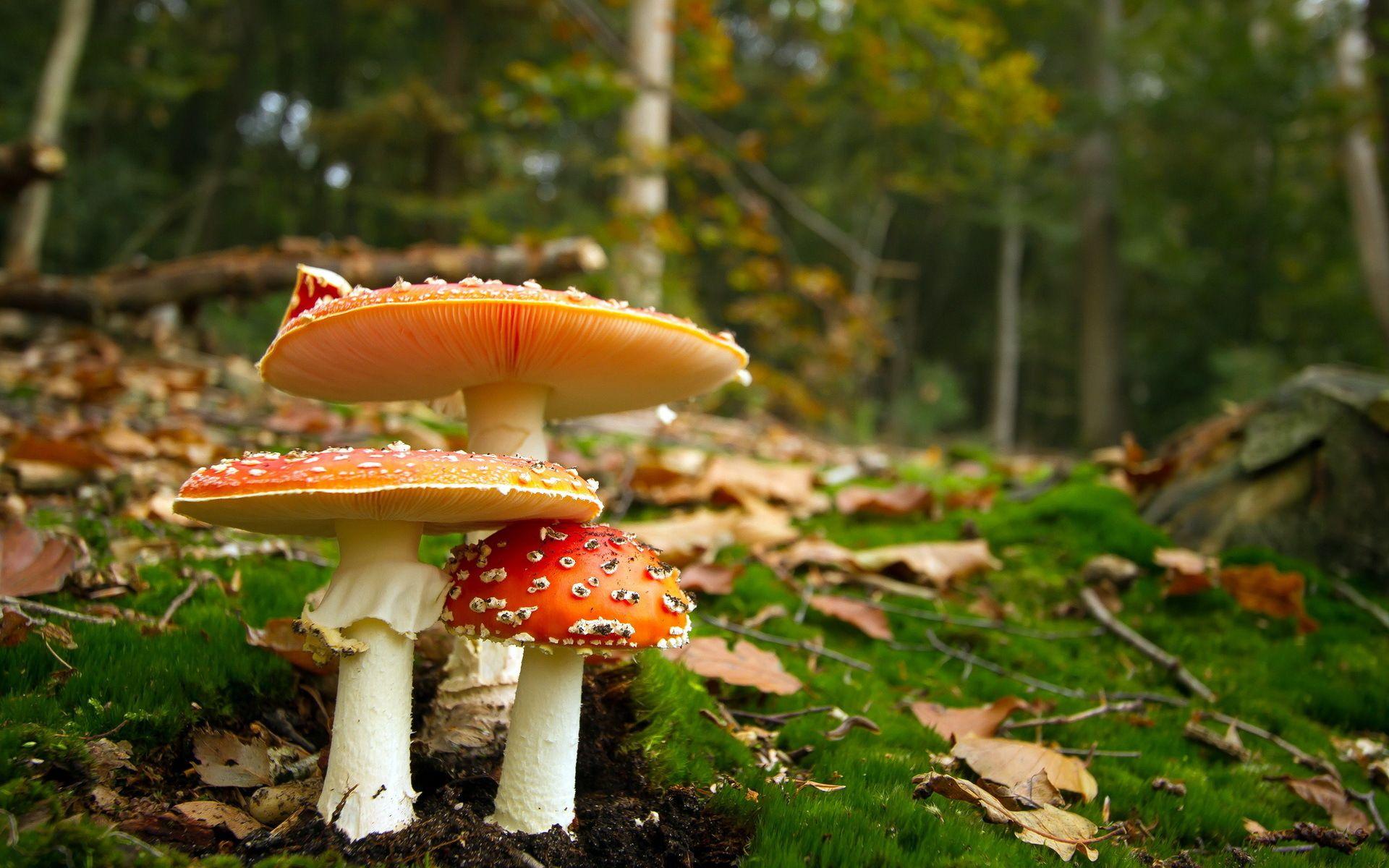
High-profile mushroom poisonings in the late 19th century, such as those of Count Mikovic’s servant Chong and Count diIC, who was poisoned by misidentified Amanita muscaria, highlighted the dangers of misidentification. These tragedies underscored the need for public education and contributed to the formation of mushroom clubs dedicated to mycological study and safety.
The MMS and Poison Control: A Partnership for Public Safety
From its inception, the MMS has played a crucial role in working with physicians and the Poison Control Center to identify mushrooms in suspected poisoning cases. Today, MMS members like Ron Spinosa continue this work, utilizing their expertise to help medical professionals identify dangerous mushrooms and prevent fatalities. For more information on poisonous mushrooms, see our poison information page.
Recent Poisoning Cases in Minnesota
In recent years, mushroom poisoning cases in Minnesota have continued to pose a significant risk, particularly among immigrant communities who may mistake toxic mushrooms for edible ones from their native countries. The MMS has played a pivotal role in investigating these incidents and educating the public on the importance of accurate mushroom identification.
The Surge in Mushroom Poisonings and the Dangers of Technology
As more people turn to technology, like apps, for mushroom identification, the risk of poisoning has surged. While useful for cataloging sightings, these tools cannot replace the nuanced understanding required for safe foraging. The tragic story of Bill Hickman, an Ohio man who used an app to identify mushrooms, is one example. The app said they were puffballs. They were the deadly Destroying Angel. His story highlights the importance of proper training and caution in foraging.
The Minnesota Mycological Society has a rich history and continues to play an essential role in educating the public, preventing mushroom poisonings, and advocating for foraging rights. As interest in foraging grows, so does the need for accurate information and public awareness to ensure that all can safely enjoy the benefits of fungi.
The Historical Significance of the MMS in Mycology
This presentation by Heather Erickson talks about the emergence of mycology as a science in the United States. Significant mushroom poisonings combined with a desire to use fungi as food led many to study mushrooms to make foraging safer.
Do You Love Fungi?
Join a club with a rich history and a thriving future!