Mushrooms and related substances like hericium and Chaga are more than just a culinary delight; they’re a fascinating subject of scientific exploration. Dr. Christine Saloman researches their chemical composition and potential health benefits. Dr. Christine Salomon‘s recent presentation to the Minnesota Mycological Society on March 13, 2023, delves into the intriguing world of mushroom chemistry. She also focuses on the differences between the fruiting bodies and the mycelia of fungi.
Distinct Growth Forms and Their Chemical Significance
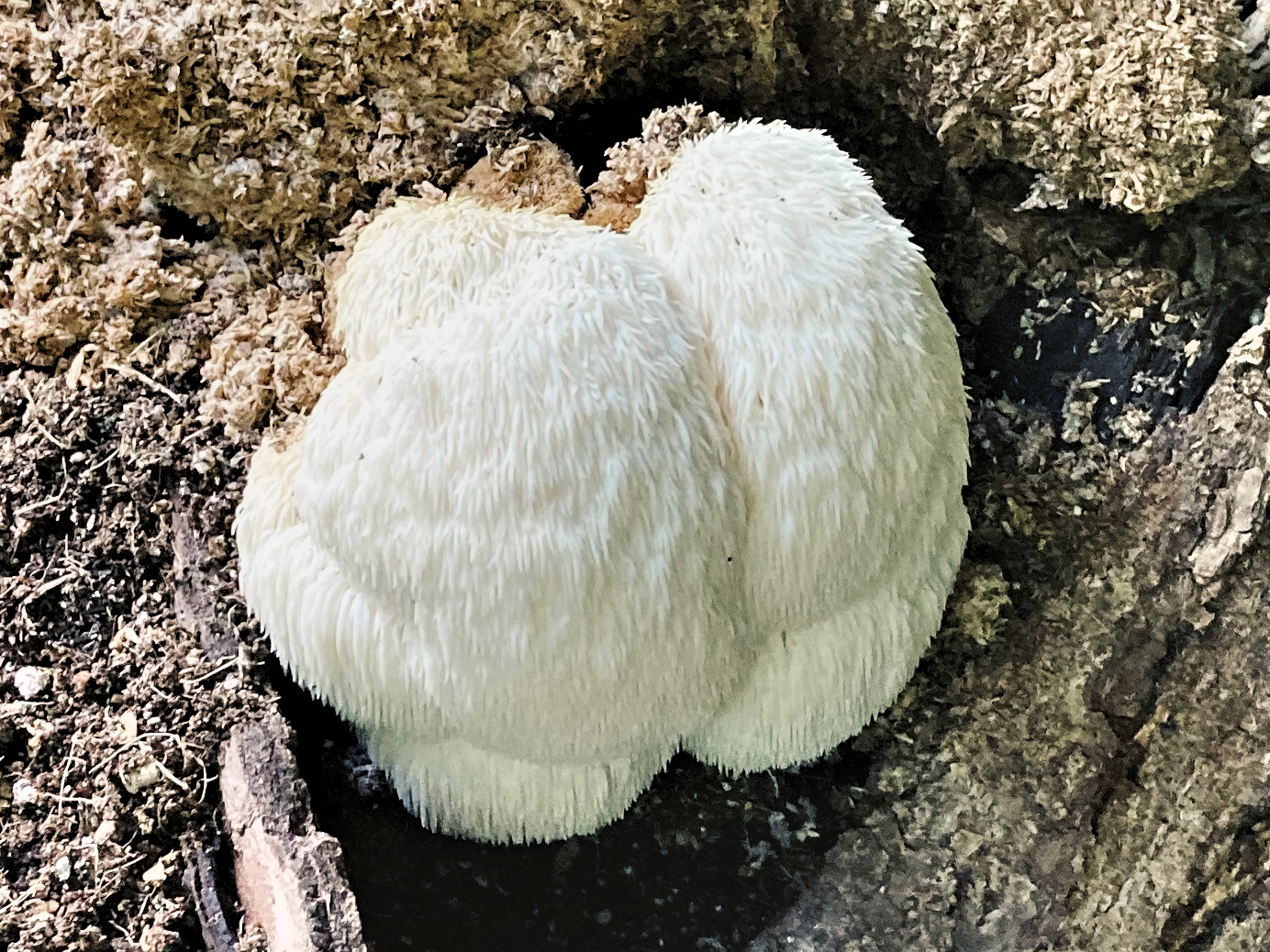
Mushroom-forming fungi, such as Hericium americanum (commonly known as “Bear’s head tooth fungus”), display distinct growth forms. The fruiting bodies and substrate mycelia thrive in separate environments, each facing unique physical and biological challenges. Dr. Salomon’s research highlights how these differing conditions influence the production of chemical compounds within the fungi.
Discovering Antimicrobial Compounds in Mycelial Cultures
Dr. Salomon’s team has conducted extensive studies on the chemistry and biological activities of extracts from the fruiting bodies of Hericium americanum. They have also studied mycelial cultures grown on various substrates. Some of the most potent antimicrobial compounds are only present in the mycelial cultures under specific growth conditions. This discovery opens new avenues for understanding how fungi produce these valuable compounds. They also explore how their cultivation methods can impact chemical studies and testing.
Expanding Research to Chaga and Beyond
Dr. Salomon’s work doesn’t stop there. Her research also extends to Inonotus obliquus (“Chaga”), another remarkable fungus known for its sclerotia, or sterile conk. By studying the sclerotia and mycelial cultures of Chaga, her team aims to uncover even more about the chemical diversity and potential health benefits of fungi.
Dr. Christine Salomon’s Broader Research Interests
Dr. Salomon is an associate professor at the Center for Drug Design at the University of Minnesota. She is dedicated to discovering novel natural products from bacteria and fungi, particularly those with significant biological activities. Her research is especially focused on antifungal compounds, given the rising issue of drug resistance in opportunistic fungal pathogens affecting humans, animals, and agriculture.
Collecting and Analyzing Organisms from Diverse Environments
In her lab, Dr. Salomon’s team collects source organisms from diverse and often remote locations worldwide. These range from plant endophytes and root rhizospheres to freshwater, marine environments, polar ice, caves, and mines. The driving force behind these collections is to understand how species interactions and chemical signaling in the environment shape the evolution of biosynthetic pathways and their expression.
Watch Dr. Salomon’s Presentation
Dr. Salomon’s research offers exciting insights into the world of fungi and their chemical capabilities. Her work not only advances our understanding of natural products but also holds promise for developing new treatments for infectious diseases in both animals and plants.
Check out the full presentation by Dr. Salomon, where she dives deeper into these topics and shares her latest findings. You can watch the video below: